
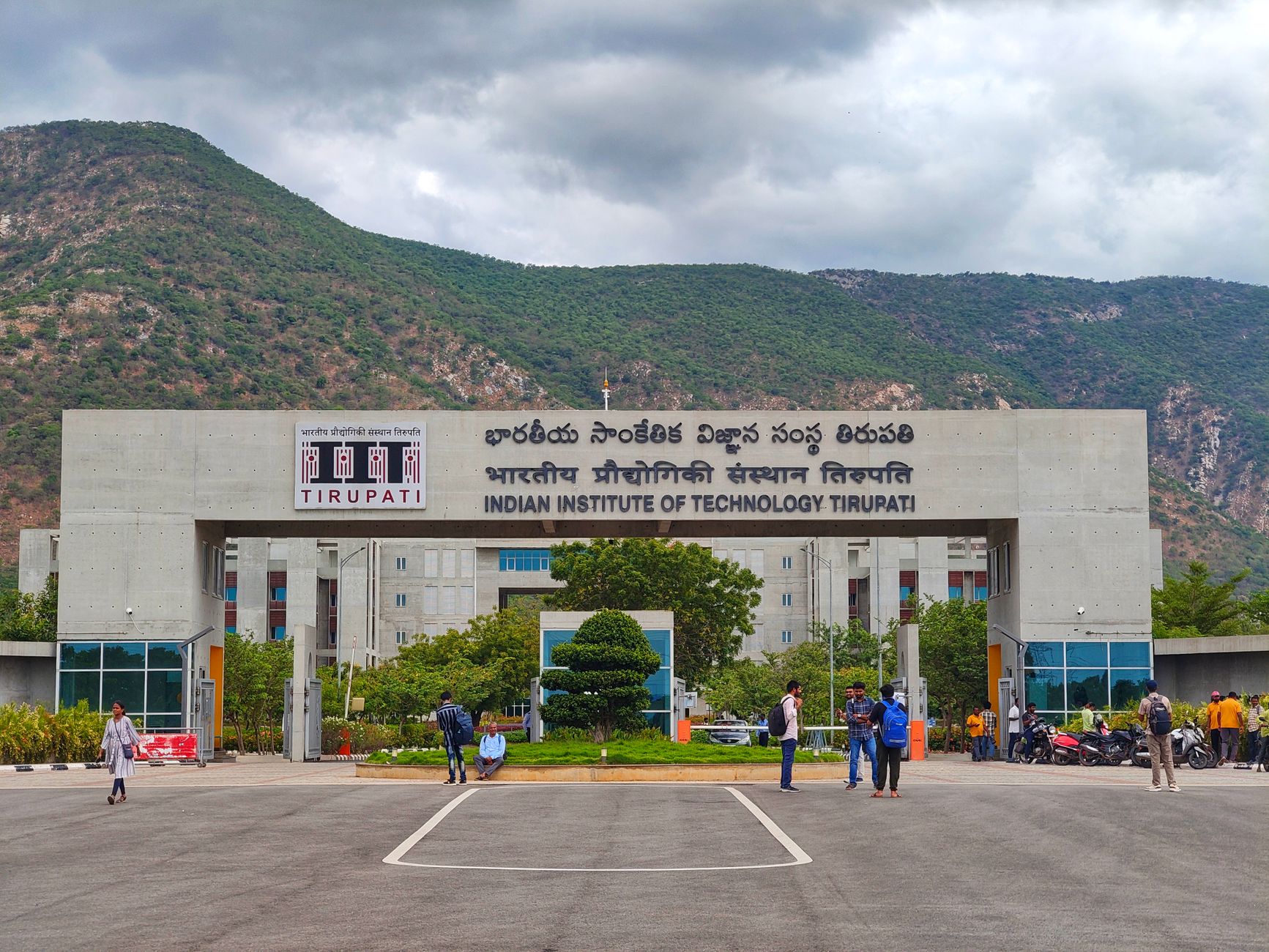
Indian Institutes admission has become a hot topic as BJP criticizes Rahul Gandhi’s remarks on the education system, highlighting his failure to secure a spot.
Understanding the Admission Process
The admission process for Indian Institutes can often be complex and competitive, attracting scrutiny from various political and social factions. Understanding the nuances of this system is crucial for both prospective students and commentators alike.
In India, admission to prestigious institutes is largely determined by a combination of entrance exams, academic performance, and other criteria, which can vary significantly among different institutions. Students often prepare rigorously for examinations such as the JEE, NEET, and others, depending on their field of interest.
Typically, the admission process involves the following steps:
- Entrance Examinations: Most Indian Institutes require students to take specific entrance tests that assess their knowledge and readiness for higher education.
- Application Submission: Candidates must submit detailed applications, including academic records and personal statements, to be considered for admission.
- Counseling and Interviews: Some institutes conduct counseling sessions or interviews to evaluate candidates further.
- Final Selection: Admissions are granted based on merit and availability of seats, with certain institutions offering reserved seats for specific categories.
The recent remarks by political figures regarding the admission process have sparked controversy, highlighting the importance of a fair and transparent system. The emphasis should remain on the quality of education and accessibility for all students aiming to enter Indian Institutes.
BJP’s Critique of Rahul Gandhi
The Bharatiya Janata Party (BJP) has recently criticized Rahul Gandhi, the Leader of Opposition, for his comments regarding the Indian Institutes admission process. During a public address, Gandhi claimed there are systemic issues within the education system that hinder students from gaining access to quality institutions.
In response, BJP spokespersons have labeled Gandhi’s remarks as misguided and disconnected from reality. They argue that the admission processes in Indian institutes are transparent and merit-based, providing opportunities for students from diverse backgrounds. The BJP emphasized the following points:
- Accessibility: The party highlighted various government initiatives aimed at improving access to education, particularly for underprivileged communities.
- Meritocracy: They asserted that admissions are based on performance and merit, making it fair for all applicants.
- Reforms: The BJP pointed to recent reforms that have streamlined the admission process, making it easier for students to navigate.
Moreover, BJP leaders have urged Gandhi to focus on constructive criticism rather than making unsubstantiated claims about the education system. They believe that such remarks undermine the hard work of educators and students striving for success in competitive environments.
As the political discourse continues, the debate surrounding Indian Institutes admission processes remains a critical issue, impacting the future of education in the country.
Impacts on Education Policy
The recent exchange between political leaders has sparked significant debate regarding the impacts on education policy, particularly concerning Indian Institutes admission. Critics argue that such statements can undermine the credibility of educational institutions and the integrity of the admission process.
Many believe that the discussion surrounding admissions should be rooted in constructive dialogue rather than political rivalry. The BJP’s remarks about Rahul Gandhi’s educational background serve as a reminder of how political narratives can shape public perception of educational institutions. This can lead to a lack of trust in the admission processes of reputable Indian institutes.
Furthermore, the focus on individual cases often detracts attention from the broader issues facing the education sector, such as:
- Access to Quality Education: Ensuring that all students, regardless of their background, have fair access to prestigious institutions.
- Transparency in Admissions: Advocating for clear and fair admission policies that are free from political influence.
- Investment in Infrastructure: Highlighting the need for improved facilities and resources in educational institutions to uphold their standards.
The ongoing political discourse has the potential to influence future education policies, making it imperative for leaders to prioritize dialogue that fosters improvement rather than division. The focus should remain on enhancing the educational landscape for all aspiring students seeking admission into Indian institutes.
Reactions from the Public and Experts
The recent remarks made by BJP officials regarding Rahul Gandhi’s admission to Indian Institutes have sparked significant reactions from both the public and education experts. Many citizens took to social media platforms to express their views, with a mix of support and criticism directed towards the political discourse surrounding education.
- Public Sentiment: Several individuals voiced their concerns about the politicization of education, arguing that the focus should be on improving the overall admission process rather than attacking political opponents. Many believe that such remarks detract from the serious issues facing the educational system.
- Expert Opinions: Educational experts have also weighed in on the matter, emphasizing the need for constructive dialogue. One professor stated, “The admission process in Indian Institutes should be a topic of serious discussion, focusing on accessibility and fairness, rather than on political rivalries.”
- Online Campaigns: Various online campaigns have emerged, advocating for transparency in the admission process. These campaigns aim to highlight the challenges faced by students and the need for reforms, reminding politicians that education is a fundamental right.
As the debate continues, it remains clear that the discourse around Indian Institutes admission requires a more thoughtful approach, one that prioritizes student welfare over political gains. The public’s demand for accountability in the education sector is louder than ever.
The recent controversy surrounding Indian Institutes admission has raised questions about the fairness of the selection process. Critics argue that the system needs reform to ensure equal opportunities for all applicants during Indian Institutes admission.
Photo by Mr Cool Hitman on Pexels
References
Related stories
KVS IIMC Joka Recruitment: Easy Steps to Apply Now · GFGNL General Manager Recruitment: Quick Steps to Apply · OSC Recruitment 2026: Is It the Best Chance to Apply?